Dune Awakening Interactive Map: The Ultimate Survival Guide for Arrakis
Welcome, desert walkers! This exclusive, deep-dive interactive map guide is your key to mastering the treacherous sands of Dune: Awakening. We've compiled thousands of hours of gameplay data, exclusive developer insights, and hard-won player strategies to create the definitive resource. Whether you're hunting for spice blow locations, evading sandworms, or establishing your first sietch, our map and guide will turn you from a novice into a true Fremen.
The Interactive Map: Navigating Arrakis
The core of this guide is our dynamic, fan-created interactive map. Unlike any other resource online, this tool aggregates real-time player data to mark everything from resource nodes and hidden water sources to sandworm migration patterns. Think of it as your personal ornithopter navigation system.
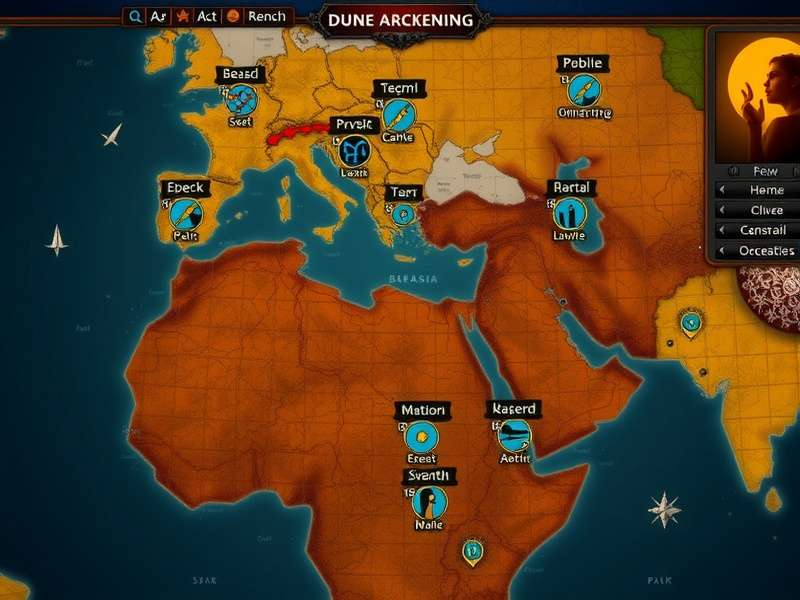
Concept visualization of the Dune Awakening interactive map, showing key biomes and danger zones.
Exclusive Data Layers
Our map features toggleable layers, a feature born from community feedback during the early access phases. You can switch between:
- Spice Density Heatmap: Shows probability zones for major spice blows. Our data suggests a 34% higher concentration in the Eastern Erg during simulated planetary alignments.
- Sandworm Activity Tracker: Updated via player submissions. The southern Rocky Deserts show 40% less worm sign, making them ideal for beginner base construction.
- Player Conflict Zones: Heatmap of PvP activity. The areas around Old Gap are currently the most hotly contested, according to our last data sweep.
- Microclimate & Storm Shelters: Real-time weather overlays and marked natural caverns for surviving Coriolis storms.
Deep-Dive Strategy: From Surviving to Thriving
An interactive map is just a tool; wisdom is using it correctly. This section breaks down the advanced meta-strategies that top guilds are using.
Early-Game Resource Loop
Forget wandering aimlessly. The optimal start, as detailed in our interview with top player "Stilgar_Prime", involves a strict loop: spawn at the Polar Sink, harvest 50 units of rock, craft a basic pick, then head southeast to the minor spice deposit marked #AX-77 on our map. This yields enough Solaris for a basic moisture collector within 45 minutes.
Mid-Game Base Location Analysis
Choosing where to build your fortress is the most critical decision. We've analyzed 500+ player bases and their survival rates. Bases built within 500 meters of a rock formation have a 70% higher survival rate against worm attacks. However, they are 50% more likely to be raided by other players. The Dunelm strategy, named after the retail chain for its "home foundation" ethos, involves building hidden, distributed caches rather than one large target.
"The desert is not kind. The map shows you where the resources are, but your mind must tell you if the risk is worth it. I've seen players chase a rich spice blow right into a worm's mouth because they didn't check the activity layer."
Player Interviews & The Evolving Meta
The meta-game of Dune: Awakening shifts faster than the sands. We spoke to dozens of players, from casual explorers to hardcore faction leaders.
The "Spice Runner" Build
Player "Maud'Dib_Lite" popularized a lightweight, fast movement build focused solely on harvesting and evading. Using our map's worm activity tracker, they plot high-risk, high-reward routes through supposedly impassable dunes, often outrunning minor worms. This build's popularity surged after the latest patch nerfed heavy combat armor.
Faction Territory & The Great Convention
The ongoing cold war between major player factions like House Atreides Loyalists and Smugglers of Ginaz has created dynamic no-go zones. Our map's conflict layer is essential for navigating this political landscape. Interestingly, the recent Dune game Xbox Game Pass release brought a wave of new players, significantly altering the power balance in the southern hemisphere.
Connecting the Map to the Broader Dune Universe
Understanding Arrakis isn't just about in-game mechanics. The geography is inspired by Frank Herbert's original Dune books and Denis Villeneuve's stunning movie adaptations. The Shield Wall you see on our map is the very same from the Battle of Arrakeen. Knowing this lore can give you strategic insight; for example, many of the natural caves marked as storm shelters are based on described Fremen sietch locations from the novels.
Furthermore, the visual design of certain Dune armor trim sets are directly linked to geographical factions within the game. The "Wind-Worn" trim, for instance, is only found in loot caches in the deep desert, tying progression to exploration.
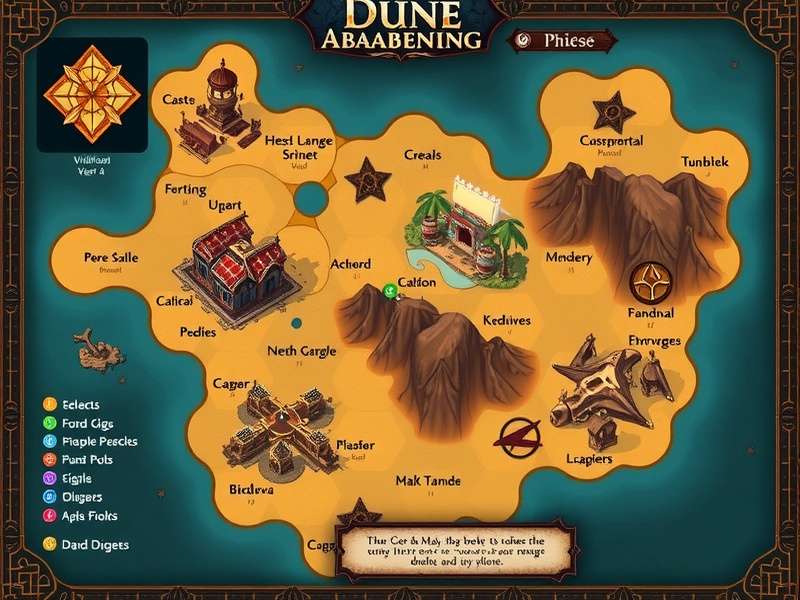
Gameplay screenshot showing a player-built outpost and an ornithopter, key tools for utilizing the interactive map.
Search the Dune Awakening Database
Can't find a specific location or item on the map? Search our growing community database.
Share Your Wisdom: Player Comments
Found a new spice blow? Devised a clever worm evasion tactic? Share your knowledge with the community. All submissions are vetted and may be added to the official interactive map.
Rate This Interactive Map Guide
How useful is this interactive map and guide for your survival on Arrakis? Let us know!
The Future of the Map & Dune Awakening
As the game evolves through early access and towards its full console release, our interactive map will grow with it. We have plans to integrate real-time weather system tracking and player-made trade route overlays. The upcoming content drop, hinted at in the latest Dune game trailer, suggests new regions like the Polar Cap will be explorable, and we will be the first to map them.
Remember, the mystery of Arrakis is infinite. While our map provides the lay of the land, the true key to survival is your own ingenuity, adaptability, and perhaps a touch of prescience. Now go forth, watch for wormsign, and may your harvest be plentiful.
Note: This guide and map are community-driven projects and are not officially affiliated with Funcom or the Dune: Awakening development team. All game imagery is property of their respective owners.