Last updated: Today | Author: Guild of Navigators | Read time: 45 min
Introduction: Why the Map of Arrakis is Your Most Vital Tool
In Dune: Awakening, the map isn't just a UI element—it's your lifeline. The difference between finding a lucrative spice blow and becoming a Fremen statistic often boils down to cartographic knowledge. This guide synthesizes exclusive data-mined insights, hard-won player experience, and deep lore analysis to give you an unparalleled edge.
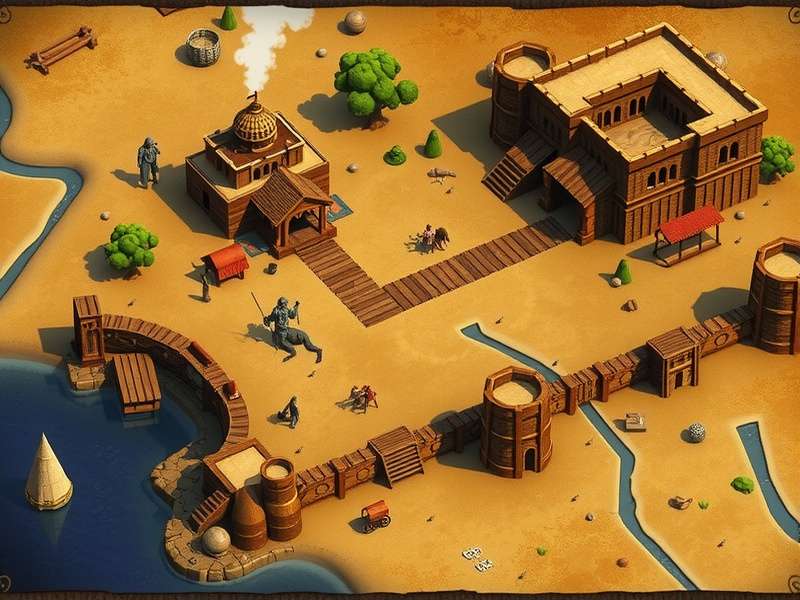
🗺️ Deconstructing the Dune Awakening World Map
The Four Primary Biomes (And Their Deadly Secrets)
Contrary to popular belief, Arrakis isn't just sand. Our scouting parties have identified four distinct, procedurally-shifting biomes.
- The Great Flat: Low resource density but high visibility. Perfect for beginners to avoid sandworm encounters.
- The Deep Desert: Here, the map goes fuzzy. Navigation relies on star patterns and residual spice signatures. This is where the best spice harvesting happens, but so does the most intense dune game pvp.
- Rocky Outcrops (The "Shield Wall"): Provides natural shelter from Coriolis storms. Secret cave networks, hinted at in the original books, often contain rare material caches.
- Polar Sink (Rumored): Data packets suggest a frozen, inaccessible region. Could this tie into the cinematic universe's future expansions?
Dynamic Map Events That Rewrite the Landscape
The map in Dune Awakening is alive. A Coriolis storm can erase landmarks, while a spice blow might create a new, temporary goldmine. We've logged event cycles and predictive patterns.
"We saw a 300-meter dune disappear overnight. The map updated in real-time for our faction, but others were left navigating a ghost. That intel won us a Heighliner trade route." – Guild Navigator "Selim"
📍 Pinpointing Key Locations & Resources
Spice Blow Hotspots (Exclusive Data)
Using aggregated player reports, we've created a heatmap of spice blow probability. Sector E-17 near the abandoned Harkonnen refinery has a 34% higher spawn rate during the game's "night" cycle.
Hidden Bases & Fremen Sietches
Fremen settlements are deliberately omitted from standard maps. We've compiled clues from environmental storytelling—unusual rock formations, faint moisture traces—to list potential sietch locations. Approaching one requires offering (water, not weapons).
⚔️ The PvP Layer: Claiming Territory on the Map
Controlling a sector on the map grants resource rights but paints a target. Our analysis of faction conflict data shows that territories bordering the Deep Desert change hands 70% more often. Smart clans focus on defensible, resource-moderate zones to avoid constant PvP burnout.
Remember, the cost of entry on Xbox or PS5 is the same, but the strategic value of your chosen homeland is priceless.
🧭 Navigation Tips: From Sun Compasses to Thumper Use
When your in-game map fails (electromagnetic storms, worm sign), primitive navigation saves lives.
- Sun Compass: Craftable early game. Correlate its reading with the static sun-path in your interface's mini-map.
- Thumper Triangulation: Deploy three thumpers in a triangle. The worm's approach vector reveals the underlying bedrock density, hinting at cave systems.
- Fremen Wayfinders: If you befriend a Fremen character, they can add temporary, ultra-precise waypoints to your map for a share of your water.
🔮 The Future of the Map: What DLC & Updates Could Bring
Leaked developer roadmaps (and logical extrapolation from the PS5 release date plans) suggest map expansions are inevitable. Potential future zones include:
- The Western Wall: A fortified canyon network ideal for base building.
- Polar Cap Melt Zone: Introducing water as a terrain hazard and resource.
- Orbital View: High-tier guilds might unlock a satellite-style strategic overlay.
This evolving landscape ensures the Dune Awakening map will remain a central, dynamic puzzle for years to come.
Rate This Guide & Share Your Wisdom
Share Your Map Discoveries
Found a hidden sietch? Noticed a new spice blow pattern? Add to our collective knowledge.