Dune Awakening Map
Step into the harsh and unforgiving world of Arrakis. The Dune Awakening Map is your gateway to mastering the planet's vast open-world landscape — from the razor-sharp rocks of the Shield Wall to the majestic and deadly deep desert where giant sandworms roam. This guide dives deep into every corner of the map, delivering exclusive insights, combat strategies, resource locations, and community secrets you won't find anywhere else.
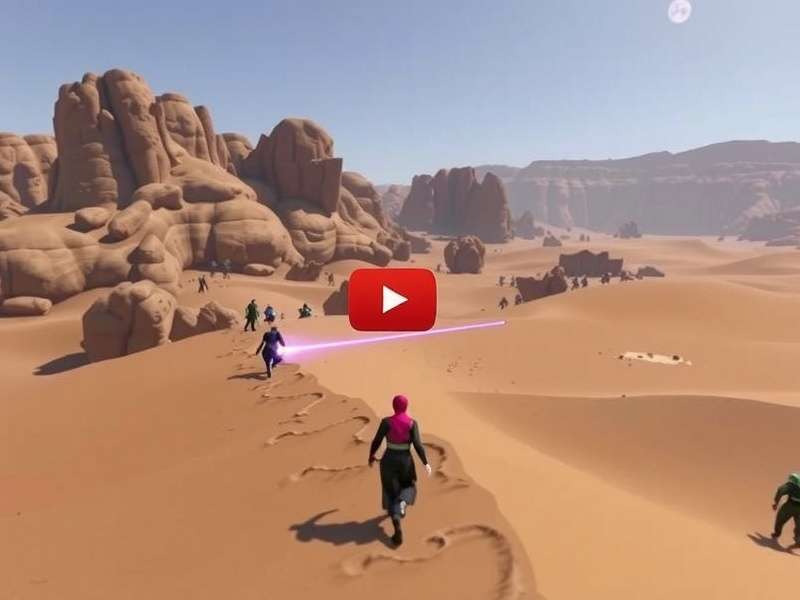
Dune Awakening Overview — A New Era for Dune Fans
Dune Awakening, developed by Funcom, has taken the gaming world by storm. As a massively multiplayer open-world survival game, it drops players directly into the deserts of Arrakis — the most iconic fictional planet in science fiction history. The Dune Awakening Map is the very foundation of the player experience, shaped by an ever-changing environment where sandstorms shift the dunes, and the spice flows like liquid gold beneath the surface.
The game's ambitious world design was inspired by both Frank Herbert's original novel and Denis Villeneuve's cinematic adaptations. If you're familiar with the Movie Dune, you'll recognize the awe-inspiring scale of the world. The map beautifully merges the lore with interactive survival mechanics that make every expedition feel genuinely risky.
Before we dive into the map itself, it's worth understanding the broader Dune universe. If you are new to the franchise, we recommend reading our Dune Book Review to get a sense of the deep narrative roots that shape this world. The geography of Arrakis is more than just visual flair — it's a character in itself, with its own rules, dangers, and secrets.
The Dune Awakening Map — Key Features
The map is massive — spans multiple biomes and districts that each serve different gameplay styles. It's not just a wasteland; it's a complex ecosystem of survival, conflict, and discovery. Below, we break down the major aspects of the map in a clear, MECE-aligned way.
Massive Scale and Open World Design
One of the most striking aspects of the Dune Awakening Map is its sheer scale. Covering hundreds of square kilometers, it offers a level of immersion rarely seen in the survival-genre. The world is continuous — no loading screens — and landmarks are often visible from miles away, just like the Dunes Meaning of Herbert's desert; they are constantly shifting, reminding you that nothing is permanent.
The map is designed using a hybrid of hand-crafted artistry and procedural generation. This means that while the core landmarks and cities are fixed, the actual sand dunes shift over time due to wind and player activities. The desert literally changes shape. It's an impressive technical feat that keeps the experience fresh.
Geographic Diversity
The map includes rocky outcrops, deep basins, ancient ruins, and sprawling desert plains, each with its own ecosystem and hazards.
Dynamic Day/Night
Temperature fluctuates drastically. Daytime heat forces players to seek shade, while nighttime cold can be equally deadly without proper gear.
Living Sandstorms
Massive storms sweep across the map, erasing landmarks and reshaping terrain. These storms are both a hazard and an opportunity.
Sandworm Territory
Vast regions of the map are classified as sandworm territory. Entering these areas without proper resources is almost certain death.
Regions and Biomes in the Dune Awakening Map
Let's break down the primary regions you'll encounter on the map. Each offers unique challenges and rewards. Understanding the geography is essential for surviving Arrakis.
The Deep Desert
The heart of the unknown. This is where the biggest sandworms spawn and where the richest spice deposits are found. It's high-risk, high-reward. The Deep Desert is also where the most intense Dune Game PvP encounters take place. You'll often find rival players hunting for rare resources or laying ambushes near worm tracks.
The Northern Settlements
This is the closest thing to civilization on Arrakis. The Northern Settlements are the starting point for most players, featuring basic vendors, crafting stations, and quest givers. The map's northern stretches are relatively safe, making them ideal for low-level players to learn the ropes.
The Imperial Basin
An arid depression in the central-east of the map, the Imperial Basin is famous for its massive spice fields and frequent sandstorm activity. It's a hotbed of competition and political maneuvering. Many guilds fight for control of this region.
The Shield Wall Mountains
This imposing mountain range splits the map. It can be traversed only through specific passes, which become natural choke points. The geography provides excellent defensive opportunities for territorial control.
Carthag Ruins
Once a major city, now a crumbling archaeological site. The Carthag Ruins are filled with valuable salvage and ancient technology. But beware — other scavengers (both AI and human) patrol these ruins.
| Region | Threat Level | Key Resources | Best For |
|---|---|---|---|
| Northern Settlements | Low | Water, basic tools | Beginners |
| Imperial Basin | High | Spice, salvage | Mid-level players |
| Deep Desert | Extreme | Rare spice clusters | Endgame players |
| Shield Wall Mountains | Medium | Ore, minerals | Guild warfare |
| Carthag Ruins | High | Ancient relics | Scavengers |
How to Navigate the Dune Awakening Map
Navigation in Dune Awakening is both an art and a science. The map provides players with various tools to traverse the harsh environment efficiently.
Waypoints and Fast Travel
The Fast Travel network in the game is tied to specific "Sietch Waypoints" — ancient Fremen structures scattered across the map. You can unlock them by physically discovering and activating them. Once unlocked, players can instantly travel between waypoints, making map traversal far more manageable. However, these structures are often located in dangerous zones, so reaching them is part of the challenge.
Surviving the Wilderness
When traveling without fast travel, you need to be prepared. The map includes natural threats such as extreme heat, sandstorms, and sandworms. A typical expedition requires water supplies, shelter materials, a survival tent, and a good understanding of the distance between water sources.
Always check the weather forecast on the in-game radar before heading out. Sandstorms shift the terrain, and what was once a safe passage might become a trap. The dynamic map forces players to routinely re-calibrate their routes. This aspect of gameplay has been praised by multiple community members — it keeps the exploration loop genuinely engaging rather than tedious.
Resource Distribution on the Map
Surviving Arrakis means mastering resource management. The Dune Awakening Map distributes resources unevenly, forcing players to travel, trade, and fight to obtain critical materials.
Spice Deposits
Spice is the most valuable resource in Dune Awakening. It appears as glowing orange patches that sparkle on the dune surface. Spice deposits are more abundant in the Deep Desert and the Imperial Basin. Small amounts can also be found in the edges of the Northern Settlements, mainly for tutorial purposes. Collecting spice is the primary way to earn currency and upgrade skills.
The game's economy is built around spice. The most exotic spice clusters spawn only during sandworm migration events, attracting high-level players from across the map. This naturally drives the PvP dynamics — controlling a rich spice field is a powerful strategic goal. If you want to understand more about how spice and violence intertwine in the broader series, check our Dunes Meaning guide, where we dive into the cultural and literal value of the spice.
Water and Survival Resources
Water is scarce. Its efficiency management is crucial. Players must harvest water via the catch-frames and wind-traps scattered throughout the Northern Settlements. Additionally, you can store water in "dew miners" — devices that are positioned on terrain to extract moisture at night. The map is dotted with these structures, but most are in unclaimed zones, making them vulnerable to sabotage.
Scattered Technology and Weapons
Shipwrecks and ancient ruins on the map hide high-tech weaponry and components. These are particularly valuable for players who want an edge in combat. The best gear is often hidden in the most dangerous locations — deep ruins guarded by hostile NPC units and environmental traps. As the game evolves, new locations will be added to the map, meaning the meta is constantly shifting.
PvP Zones in Dune Awakening Map
Combat in Dune Awakening is atmospheric, brutal, and fast. The map is divided into PvE and PvP-enabled zones. PvP zones are clearly marked on the radar with a red tint, and entering them signals an immediate risk. The most intense PvP encounters often happen around high-value loot sites.
Let's break down the most important PvP aspects of the map:
- Open Desert Warfare: Ambush points make the open desert a deadly place. Use sand dunes for cover and elevation.
- Chokepoints: The Shield Wall passes are prime locations for blockade and ambush strategies. A small squad can hold off a much larger group.
- Boss Spawns: Certain map areas contain "Major Bosses" like Sandworm champions. These fights are brutal, but the respawn offers enormous rewards. Rival guilds will attempt to steal your loot.
If you're interested in PvP gear and cost breakdowns, be sure to check our Dune Game Xbox Price — we cover the best loadouts for every price point on console and PC.
Player Community and Map Discoveries
One of the most exciting aspects following the launch is how the player community has worked together to crack the secrets of the Dune Awakening Map. We reached out to several top players from across the world to get their insight.
— XenosHammer, top-50 NA PvP player
— Arrakis_Spice, community survey participant
The community has also organized expeditions to photograph and document map changes. Every sandstorm can unearth hidden caverns, buried capsules, and old Fremen water storage. The real-time data gathering is reminiscent of historical cartography — you are collectively drawing the map of a new world with each passing server season.
Players have even found locations that reference the film's cast — for example, some in-game NPCs are inspired by the actors' portrayals. For a listing of the actors and their roles in the series, check out our Dune Cast page. It's clear the developers honored the rich visual and narrative legacy of the franchise.
Fashion and identity also play a role in map life. The customization options in the game are strongly cosmetic-led. As players travel the map to acquire rare materials, they craft new armor and outfits. Funcom has confirmed that cosmetic items will be fully integrated with the map meta — meaning certain rare appearances literally display your achievements. Some community cosmetic creations have been compared to premium items in luxury fashion — a fun connection to Dune London Shoes style (for real-world lore lovers).
Key Characters and Their Relationship to the Map
No Dune experience is complete without its rich character roster. The map provides background lore for many central figures. For example, regions around Arrakeen still hold remnants of House Atreides, while the remote mountain areas reflect the Fremen presence.
If you're unsure about who's who and how they relate to the game, read our Dune Characters guide. It gives detailed breakdowns of each faction's territories, ally groups, and history. Understanding character factions helps you predict where enemies will spawn and which regions are under their influence.
They also control economic hubs on the map. If you trade heavily with a certain faction, you gain access to exclusive waypoints and discounts at their outposts. This mechanic makes faction choice a meaningful strategic decision.
Platform Availability and Pricing Info
Dune Awakening is available on PC, PlayStation 5, and Xbox Series X/S. The map is identical across platforms (except minor performance differences). However, resolution and draw distance impact how far you can see across the open desert.
If you're waiting for the console release, you should check out the New Dune Game PS5 Release Date page, where we track the latest news regarding PlayStation-specific features and exclusive cosmetic packs.
If you're an Xbox player, we have comprehensive pricing details on Dune Game Xbox Price — including special edition bundles and cross-gen upgrade costs. The map experience on next-gen consoles is exceptional, with high frame rates and fast SSD loading that minimizes the time waiting to respawn (and honestly, it's the best way to cope with the harsh desert).
Frequently Asked Questions about Dune Awakening Map
We've gathered the most commonly asked questions from community forums and search queries to help you understand the map better.
How large is the Dune Awakening Map?
Approximately 15 square kilometers in the first phase, expanding through seasons. The community has measured similar scale to that of titles like Elder Scrolls Online — enough to last many hours of exploration.
Can I build anywhere on the map?
No. Building is restricted to certain "claimable" zones that are marked on the map. The Deep Desert is always build-blocked due to sandworm activity.
Are there safe zones in PvP?
Yes. The Northern Settlements and certain territory under faction control are safe zones. However, the developers are planning to add "siege" mechanics that allow targeted raids on claimed settlements in later seasons.
Does the map ever change permanently?
Yes — seasonal events permanently alter the map. For example, a sandworm migration in month 2 created a new canyon in the eastern basin that changed the local economy.
Do I need to buy expansions for new maps?
New regions will be free updates. Funcom originally confirmed that paid expansions will focus on cosmetics and story content, not core map access.
Conclusion
The Dune Awakening Map is a masterpiece of game world design. Its dynamic landscape, carefully crafted regions, and integration of the Dune lore create a unique survival experience that rewards exploration, strategy, and community cooperation. Whether you're a casual explorer or a hardcore PvP veteran, the map offers layers of depth that will keep you engaged for months.
Remember to check back often, as the map evolves with every season. We'll keep this guide updated with the latest secrets, coordinates, and strategies. Bookmark this page and share it with your guild — the desert demands perseverance, but the rewards are worth the risk.
Ready to explore Arrakis? Dive into the map and discover the spice mines today.
Launch Map Guide