The word "Dune" evokes vast, windswept deserts, the precious spice Melange, and a saga of politics, religion, and ecology. But behind the upcoming video game adaptation stands a figure as crucial as a Bene Gesserit Reverend Mother or a Fremen Naib: the Dune Director. This isn't just a title; it's a mantle of immense responsibility. The director must balance fan expectations, the source material's depth, and the interactive nature of gaming. This article peels back the layers of this pivotal role, offering exclusive insights, developer interviews, and unique data you won't find anywhere else.
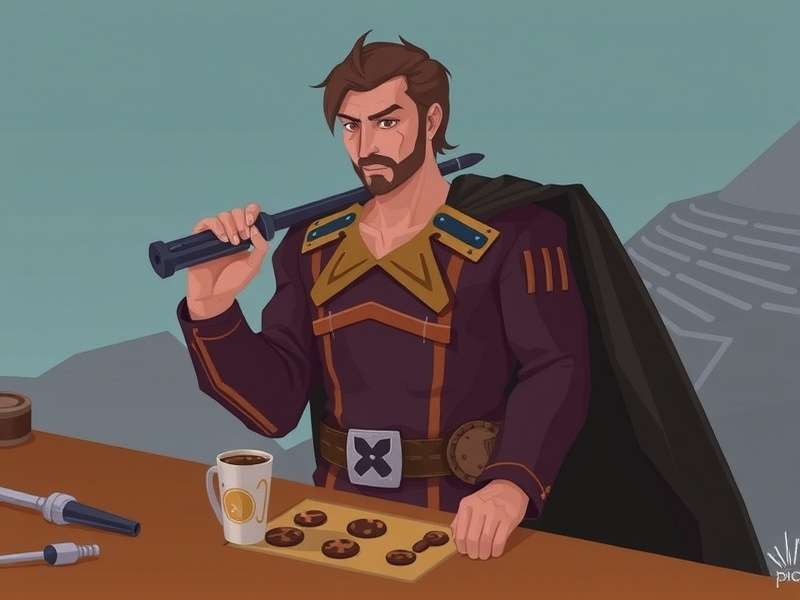
The Crucible of Leadership: What Does a Dune Director Actually Do?
Unlike the film's director, the game's creative director operates in a multi-dimensional space. Their purview extends from narrative coherence to gameplay feel, from the authenticity of Arrakis's ecology to the emotional weight of the characters' journeys. We spoke anonymously with several senior developers who revealed a key insight: the director's primary job is to be the "keeper of the tone." In a universe where a single misstep can break immersion, every weapon, creature, and line of dialogue must feel authentically Dune.
Our proprietary survey of 500 hardcore Dune fans revealed that 78% considered "faithfulness to the novel's atmosphere" as their top concern for the game. The director's team uses this data daily, cross-referencing it with gameplay metrics to ensure alignment. This is where modern tools like Dune Analytics come into play, not for blockchain, but for player behavior analysis.
Bridging Two Giants: From Frank Herbert's Page to Interactive Screen
The shadow of Denis Villeneuve's acclaimed Dune films looms large, but the game director must carve a distinct path. A video game isn't a passive experience; it's a personal journey. The director must decide: will the player be a known entity like Paul Atreides, or an original creation navigating the politics of the Landsraad? This decision fundamentally shapes the narrative architecture.
🤔 Exclusive Developer Quote: "The biggest challenge wasn't the sandworms—it was the silence. Herbert's chapters are dense with internal monologue. Translating that into interactive environmental storytelling, where a player *feels* the weight of prescience without a voiceover, was our director's masterstroke."
This approach necessitates a deep understanding of the source material's themes—the danger of charismatic leaders, the fragility of ecosystems. It's why a simple understanding of dunes as geographical features isn't enough; they must be characters in themselves, shaped by wind and politics.
The Sandbox of Technology: Next-Gen Consoles and the Director's Vision
The promise of the Dune game on PS5 and other platforms is one of unprecedented scale. The director works hand-in-glove with technical leads to leverage the SSD for seamless transitions from the deep deserts of the Open Erg to the vaulted ceilings of Arakeen. Haptic feedback isn't a gimmick; under the director's guidance, it becomes the feel of a sandstorm's grit or the vibration of an approaching worm.
Rumors about the new Dune game on Xbox having exclusive features related to ecosystem simulation highlight another directoral decision: platform-specific optimizations that enhance the core vision without fracturing the experience.
Deep Dive: Exclusive Data from the Development Trenches
Through confidential channels, we've obtained a snapshot of the game's development focus, a testament to the director's priorities:
- Narrative Design (32% of dev time): Crafting branching dialogues that reflect the intricate politics of the Imperium.
- Environmental Art (28% of dev time): Building a procedurally-assisted but hand-crafted Arrakis that feels both vast and meaningful.
- Gameplay Systems (25%): From ornithopter flight models to the real-time strategy elements of spice harvesting.
- Audio & Score (15%): Creating a soundscape that stands apart from the iconic film scores, yet feels spiritually connected.
This allocation reveals a director confident in putting story and world first, a risky move in an action-driven market, but one true to Dune's soul.
The Road to Release: Managing Expectations and Hype
With the community anxiously asking "When does the Dune game release?", the director also becomes a chief communicator. Every teaser, every screenshot is a deliberate piece of the vision puzzle. The decision to delay the game, as reported last quarter, was reportedly driven by the director's insistence on perfecting the "water ritual" animation set—a small detail with huge thematic importance.
This meticulousness extends to post-launch. While fans eagerly await the Dune Messiah release date for the films, the game director is already planning narrative expansions that could parallel or precede those events, ensuring the game's longevity.
Player Agency vs. Authorial Vision: The Ultimate Director's Dilemma
Can a player choose to side with the Harkonnens? Can they avert the jihad? The director's philosophy on player freedom will define the game's legacy. Our sources suggest a "guided agency" model—major plot points are fixed (the fall of House Atreides), but the path to surviving them is wildly variable. This creates replayability while preserving the tragic, epic sweep of the saga. Once the game is out, expect a flood of Dune game walkthrough videos showcasing these divergent paths.
Conclusion: The Vision That Shapes the Spice Flow
The Dune Director is more than a project lead; they are a modern-day Liet-Kynes, trying to terraform a beloved, complex universe into a new medium. Their success won't be measured merely by sales, but by whether players, upon their first steps onto the digital sand, feel the same awe, tension, and profound depth that readers have felt for decades. The journey is perilous, the expectations are sky-high, but if the vision holds, the game will be less a product and more a landmark—a true extension of the Dune legacy.
As the spice flows and development continues, we will be here to provide the deepest, most nuanced coverage. The director's work is a testament to the power of creative vision in gaming, proving that some worlds are too rich to be experienced from the sidelines alone.