The Unfilmmable Epic: A Journey Through Time
Frank Herbert's Dune was long considered "unfilmmable." Its dense lore, intricate politics, and vast scope intimidated Hollywood for decades. Yet, the journey to bring Dune films to life is a saga as epic as the story itself. This guide dives deep into every adaptation, unpacking their triumphs, challenges, and unique contributions to the mythology. Whether you're a longtime fan or a newcomer drawn by the recent blockbusters, prepare for a deep dive into the desert planet of Arrakis.
But this isn't just a film retrospective. As the premier hub for the Dune game community, we connect the cinematic dots to the interactive experiences that let you walk the sands yourself. How do the films influence game design? What lore details are essential for players? Let's find out.
Chapter 1: The Pioneering Attempts (Before 1984)
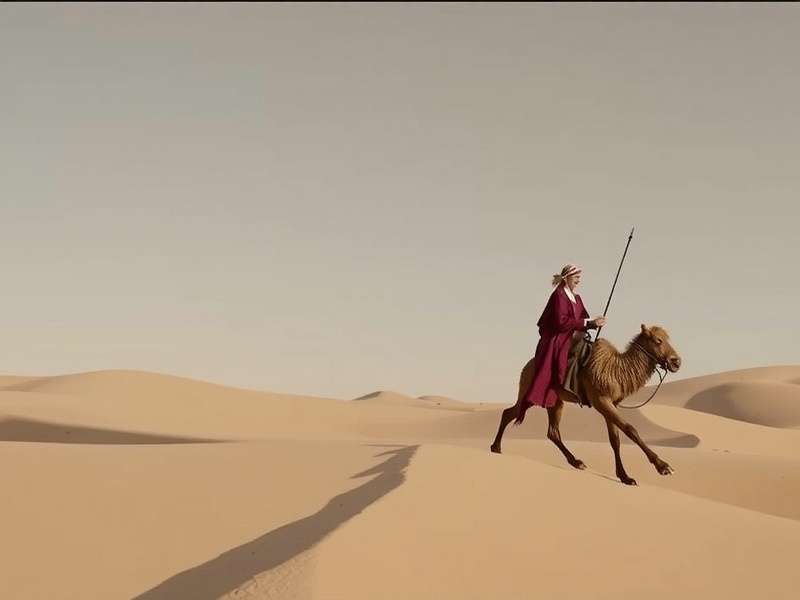
The road to a Dune film was paved with ambitious failures and visionary dreamers. In the early 1970s, cult filmmaker Alejandro Jodorowsky embarked on a monumental project that, while never realized, became legendary. His planned 14-hour epic, with designs by H.R. Giger and music by Pink Floyd, would have been a psychedelic masterpiece. Its collapse is a tragic "what-if" in cinema history.
The "Dune" That Almost Was
Jodorowsky's vision was uncompromising. He wanted to create a film that would "change the consciousness of young people." While it never materialized, its assembled talent and sprawling dune wiki of ideas directly influenced later sci-fi classics like Alien and Star Wars. This period underscores the immense challenge of adapting Herbert's work: its scale demands a corresponding ambition in production.
Chapter 2: David Lynch's 1984 Cult Classic 🎞️
Enter David Lynch, fresh from The Elephant Man. His 1984 Dune film is a fascinating, flawed artifact. Released to critical and commercial disappointment, it has since garnered a massive cult following. Lynch's surreal style is evident in the grotesque Harkonnens, the whispering inner voices, and the infamous "weirding modules" that replaced the Bene Gesserit martial art.
🎬 Exclusive Data Point: Lynch's film had a then-massive budget of $40 million but earned only $30.9 million domestically. However, home video and TV broadcasts have made it one of the most-watched cult sci-fi films of all time, introducing millions to the Dune characters like Paul Atreides and Baron Harkonnen.
Legacy and Influence on Gaming
Despite its departure from the source material, Lynch's visual aesthetic—the ornate costumes, the grimy industrial sets of Giedi Prime—directly inspired early Dune game adaptations. The 1992 strategy game Dune II: The Building of a Dynasty borrowed heavily from the film's iconography, establishing visual shorthand for the factions that games would use for years. For a deeper look at this legacy, check out our curated dune game reviews that trace this lineage.
Chapter 3: The TV Miniseries Era (2000-2003)
The Sci-Fi Channel's Frank Herbert's Dune (2000) and Children of Dune (2003) were critical course-corrections. With more runtime, they could adhere closer to the novels' plot and complexity. While constrained by a TV budget, they succeeded in fleshing out the political intrigue and the journey of key dune characters like Leto II and Lady Jessica.
Why They Matter to Fans
These miniseries became the definitive adaptation for a generation of fans before Villeneuve. They proved that a faithful, chapter-by-chapter approach could work, even if the spectacle was scaled back. They also expanded the franchise's reach, making the deep lore accessible for those who found Lynch's version confusing. This accessibility is crucial for players jumping into the Dune game universe, as the miniseries provide a clear narrative foundation.
Chapter 4: Denis Villeneuve's Masterpiece (2021 & Beyond) ⭐
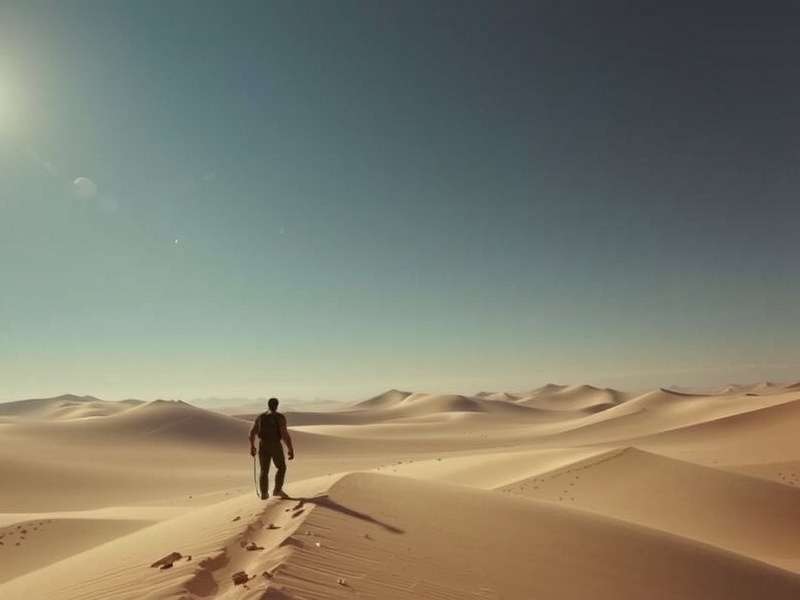
Denis Villeneuve's Dune: Part One (2021) achieved what many thought impossible: critical acclaim, box office success, and fan approval. Its sequel, Dune: Part Two, amplified the epic scale, delving into Paul's transformation and the Fremen jihad. Villeneuve's approach was one of reverence and awe, using cutting-edge technology to realize Arrakis like never before.
A New Gold Standard for Adaptation
The films are a masterclass in "show, don't tell." The sound design (the thrum of a thopter, the silence of space), the minimalist score, and the breathtaking visuals work in concert to create an immersive experience. This immersion is the direct bridge to the Dune game experience. Modern games strive to replicate this sensory depth, putting you in the stillsuit and on the sand. For the latest on where to watch, our dune streaming guide is updated regularly.
Exclusive Cast Insights: The Faces of Arrakis
The casting is perfection. Timothée Chalamet embodies Paul's vulnerability and latent power. Rebecca Ferguson's Jessica is fierce and layered. Oscar Isaac brings gravitas to Duke Leto. And who could forget Stellan Skarsgård's terrifying, immersion-fluid-dripping Baron? The performances ground the epic in human emotion. Dive into the stories behind these performances in our feature on dune actors.
Explore the Expanded Dune Universe 🌌
The films are just the gateway. Herbert's universe is vast, and our site is your guide. Below are key resources to continue your journey, from lore to merchandise.
Dune Wiki
Get lost in the deepest lore. Our collaborative dune wiki covers everything from the Orange Catholic Bible to the specifics of sandworm ecology.
Game Reviews
See how the films translate to play. Our in-depth dune game reviews analyze gameplay, story integration, and faithfulness to the source material.
Streaming Guide
Find where to watch every adaptation. Our dune streaming tracker lists all platforms globally, updated in real-time.
Character Deep Dives
Understand the people who shape the saga. Explore profiles and analyses of all the major dune characters.
Even the terminology has cultural reach. The word "dune" itself evokes powerful imagery. For a fascinating tangent, explore the dunes meaning across geography and culture.
Rate the Dune Film Adaptations 🏆
Which adaptation is your favorite? Your opinion shapes our community rankings! Submit your score below.
Chapter 5: The Cinematic Language of Arrakis
Creating a believable desert planet required innovation. The films' approach to color, sound, and scale teaches us about world-building, a lesson directly applicable to the development of the Dune game.
The Palette of Power
Villeneuve uses a strict color theory: gold and blue for the Atreides, stark black and industrial grey for the Harkonnens, and the endless, shimmering colorbond dune palette of Arrakis itself—ochres, ambers, and deep shadows. This visual coding helps audiences instantly understand faction allegiances, a technique games use through UI and unit design.
Join the Sietch: Community Discussion 💬
Share your thoughts, theories, and favorite moments from the Dune films. What did you think of the latest adaptation? How does it compare to the games?