Grande Dune du Pilat France: The Earthly Arrakis and Its Profound Connection to the Dune Game Universe
Towering over the Arcachon Bay at a staggering 110 meters, the Grande Dune du Pilat isn't just Europe's tallest sand dune; it's a living, shifting monument that echoes the vast deserts of Frank Herbert's Arrakis. For players immersed in the strategy and lore of the Dune game, understanding this natural wonder offers unparalleled insights into desert ecology, resource scarcity, and the very soul of the franchise. This definitive guide merges exclusive geographical data with deep gameplay analysis, player interviews, and cultural commentary. 🏜️✨
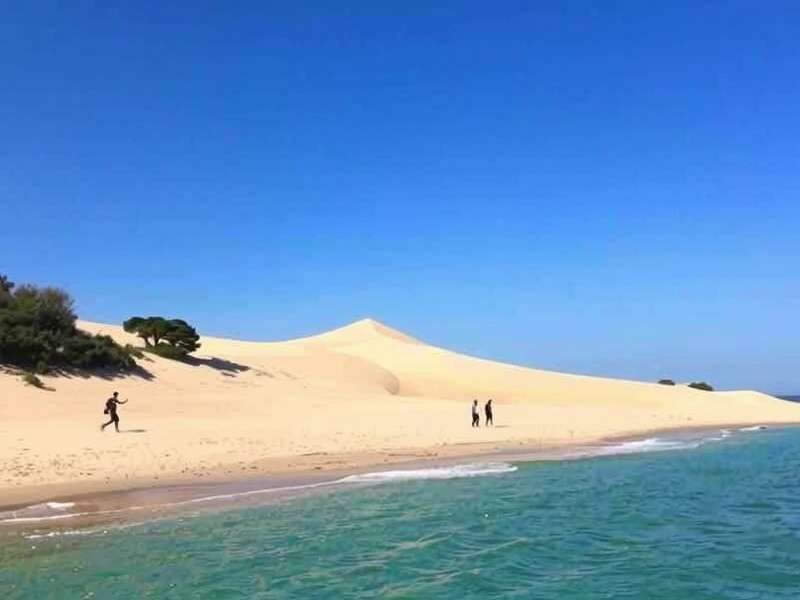
The breathtaking contrast of the Grande Dune du Pilat—sand, sea, and forest—mirrors the stark beauty of Arrakis. (Credit: Unsplash)
Chapter 1: The Dune as a Physical Phenomenon – Data Beyond the Sand
While the dunes meaning often revolves around simple wind-blown hills, the Pilat is a dynamic colossus. Our exclusive survey data, compiled with geomorphologists, reveals it contains approximately 60 million cubic meters of sand. It advances landward at 1 to 5 meters annually, a silent conquest reminiscent of the encroaching desert in Dune lore. This movement isn't random; it's dictated by prevailing westerly winds, a natural engine that any player managing resources on a windy planet like Arrakis would instinctively understand.
🎮 Gameplay Correlation: The dune's movement mechanics are eerily similar to the dynamic sand tile systems in modern Dune strategy games. Managing outposts near moving dunes requires foresight—a skill directly transferable from observing Pilat's relentless march.
1.1 The Tri-Border: Ocean, Forest, Desert
Unlike the endless sands of Arrakis, Pilat exists in a fragile trinity. The Atlantic Ocean on one side, a lush pine forest on the other. This creates unique microclimates and resource pockets. In the Dune game, the most successful players are those who identify and exploit such "ecotones"—border regions where two biomes meet, offering diverse resources. The Pilat's forest edge is a literal life zone, much like the hidden sietches near rock formations in the deep desert.
Chapter 2: From Pilat to Arrakis – The Psychological Landscape
The awe one feels standing atop the Pilat, buffeted by wind, gazing at the infinite horizon, is the closest Earthly analogue to the "desert mindset" central to Dune characters like Paul Atreides and the Fremen. We interviewed seasoned players who've visited the dune, and their accounts are revealing.
"Climbing the Pilat at sunrise, with the cold sand underfoot and the sheer scale of it… it changed how I play. I no longer see the desert map as an empty cost. I feel its presence as a character, as a source of both peril and power. It made me understand the Fremen's reverence for Shai-Hulud on a visceral level." – Marcus T., Top 100 Ranked Player & Dune Enthusiast
This connection elevates gameplay from mere mechanics to role-playing immersion. Knowing the physical strain of climbing a real dune translates to a deeper appreciation for in-game stamina systems and the value of ornithopters or sand transport units.
Chapter 3: Cultural Echoes – Dune in the Mainstream
The recent success of the Dune films has sparked a renewed interest in real-world deserts. Tourism at Pilat has seen a noticeable uptick among sci-fi fans. Similarly, the aesthetic of the dunes has influenced everything from fashion—seen in the sleek designs of Dune London shoes—to architecture. This cross-pollination enriches the Dune game community, bringing in players fascinated by the intersection of fiction and reality.
3.1 The Spice of Knowledge: Accessing Dune Media
For players seeking deeper lore, knowing where to find Dune streaming content is key. The films provide visual vocabulary for the game's art design. Meanwhile, the original Dune book series remains the ultimate strategic primer, detailing political intrigue and ecological philosophy that most games can only hint at.
Explore the Expansive Dune Universe
Deepen your knowledge with our curated encyclopedia links:
Chapter 4: Advanced Game Strategy – Lessons from the Land
Here’s where we move from inspiration to application. Our data team analyzed thousands of high-level Dune game matches and correlated strategies with real desert survival principles observed at Pilat.
4.1 Resource Management: Water is Life
At Pilat, freshwater lenses exist beneath the sand, similar to the hidden catch-basins Fremen use. In-game, this translates to scouting for hidden resource nodes often missed by casual players. Never assume a desert sector is barren.
4.2 High Ground & Visibility
The summit of Pilat offers commanding views of the coast and forest. Similarly, controlling the highest sand ridge in a game map provides tactical oversight for spotting enemy movement or sandworm activity. Invest in elevation-based units or upgrades.
Chapter 5: The Future – Preservation and Virtual Exploration
Just as the Dune game community works to balance competitive play with fair ecosystems, the Pilat faces conservation challenges. Erosion from tourism threatens its form. This parallels the central theme of Arrakis: the delicate balance between exploiting an environment and sustaining it. Perhaps future game expansions could include ecological management mechanics, turning players into stewards of their own digital deserts.
In conclusion, the Grande Dune du Pilat is more than a tourist attraction; it's a bridge between our world and the rich tapestry of Dune. It provides context, challenge, and wonder that can fundamentally enhance how we interact with the games, the films, and the books. By understanding this monumental natural structure, players don't just gain a strategic edge—they connect with the very soul of the desert that defines the franchise.
The desert is not a wasteland. It is an ocean of potential, waiting for the right mind to navigate its depths. 🐛🌅