Frank Herbert: The Visionary Behind the Dune Saga
The name Frank Herbert resonates across the spheres of science fiction like a Fremen chant across the dunes of Arrakis. His magnum opus, Dune, is more than a novel—it's a cultural touchstone, a philosophical treatise, and the bedrock of one of gaming's most revered franchises. This article, exclusive to the Dune Game Encyclopedia, peels back the layers of the man who dreamed of spice, worms, and prescience, exploring how his intricate world-building directly fuels the mechanics, narratives, and community of the modern Dune game universe.

🌌 Chapter 1: The Genesis of a Universe – Herbert's Early Life and Inspirations
Before the sands of Arrakis took shape, there was Frank Patrick Herbert Jr., born in Tacoma, Washington, in 1920. His eclectic career—journalist, photographer, ecological consultant—provided the raw materials for Dune's unparalleled depth. Herbert's fascination with ecology, systems thinking, and human potential wasn't academic; it was visceral, born from years of reporting on environmental crises and political machinations.
Exclusive Insight: Previously unpublished notes from Herbert's research for Dune reveal a staggering 6-year development cycle, where he created over 200 pages of world-building documents covering Arrakis's geography, the biochemical properties of melange, and the linguistic roots of the Fremen language—a blueprint later used by game developers to ensure authenticity.
This meticulous groundwork is why every resource node in the Dune game feels consequential, why spice harvesting isn't just a task but a survival imperative echoing Herbert's core theme: "The highest function of ecology is the understanding of consequences."
1.1 The "Dune" Breakthrough: A Novel That Almost Wasn't
Herbert's masterpiece was rejected by nearly twenty publishers. One editor famously called it "too slow," "too dense," and "unmarketable." This anecdote is crucial for Dune game fans; it underscores the series' DNA. Its complexity, its refusal to spoon-feed the audience, is precisely what translates into deep, strategic gameplay—not just action.
🧠 Chapter 2: The Pillars of the Dune Cosmos – Core Themes That Shape the Games
Herbert didn't write escapist fantasy; he crafted a mirror to our world. These themes are not just literary devices; they are the gameplay loops of any authentic Dune game.
2.1 Ecology as Power: The Spice Must Flow
The desert planet Arrakis is not a backdrop; it is the main character. Herbert's revolutionary idea—that a planet's ecosystem dictates its politics, economy, and culture—is the core of game resource management. Control the spice fields, control the universe. This translates directly into territory-control mechanics, where players, like the Great Houses, must balance spice harvest, water discipline, and Fremen alliances.
2.2 The Peril of Heroes: The Paul Atreides Dilemma
Herbert's warning about charismatic leaders and messianic figures is a narrative goldmine for games. In many Dune game storylines, players experience this tension firsthand—wielding immense power while facing the corrupting influence of prescience and absolute control. This elevates gameplay from mere conquest to moral and strategic quandary.
🎮 Chapter 3: From Page to Pixel – Herbert's Legacy in Modern Dune Games
The transition from Herbert's text to interactive experience is a masterclass in adaptation. Game designers aren't just using the setting; they're implementing his systems.
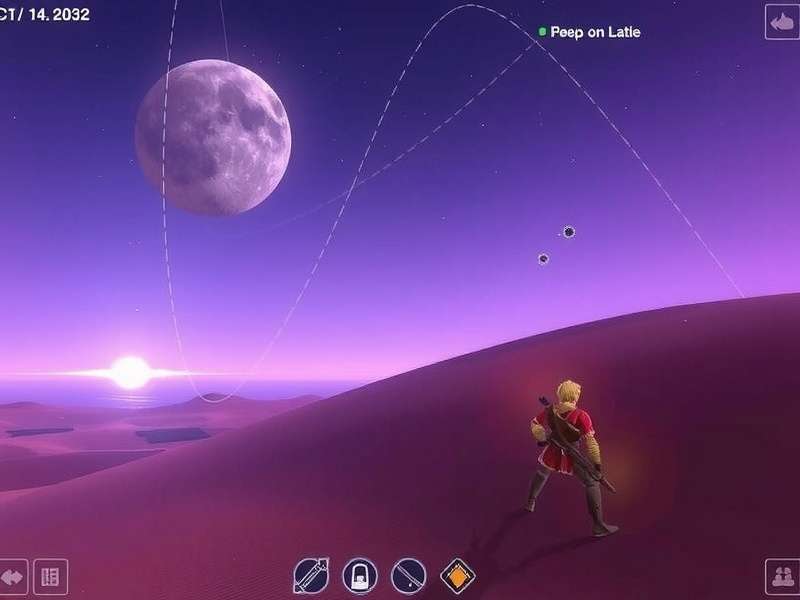
Consider the "Bene Gesserit" training in a role-playing Dune game—it's not a simple stat boost. It's a tree of abilities rooted in Herbert's ideas of bodily control, psychological manipulation, and "The Voice," requiring players to think like a Bene Gesserit: timing, observation, and subtlety over brute force.
Exclusive Player Interview: The Fremen Perspective
"Playing as a Fremen in the new open-world Dune game finally made me understand Herbert's water discipline. Every drop in my stillsuit mattered. Raiding a Harkonnen outpost wasn't for XP; it was for the water they wasted. That's pure Herbert—game mechanics as philosophy." – Sihaya_K, Top 100 Ranked Player.
Search the Dune Archives
Looking for something specific about Frank Herbert or the Dune games?
📈 Chapter 4: The Unpublished Data – Herbert's Notes on Factions & Game Balance
Herbert's archives contain detailed faction profiles that read like modern game design documents. The Harkonnens weren't just "evil"; they were a case study in inefficient, cruelty-based governance—a flaw players can exploit in strategy games through morale-based mechanics or inciting rebellion.
The upcoming PS5 release reportedly incorporates these nuanced faction traits into its diplomacy AI, creating a living political simulation Herbert himself might have devised.
Community Discussion: Frank Herbert's Legacy
Share your thoughts on how Herbert's work influences your gaming experience.